Best High Protein Foods for Muscle Gain (Complete Nutrition Guide)
-
- February 14, 2026

Introduction
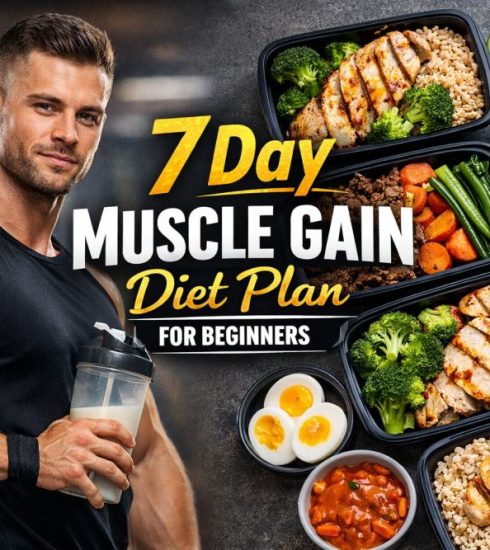
Building muscle requires more than just lifting weights. While exercise plays an important role in muscle growth, nutrition is equally essential for achieving strong and healthy muscles. One of the most important nutrients for muscle building is protein.
Protein provides amino acids that repair and rebuild muscle fibers after workouts. When combined with strength training exercises such as a home workout plan for beginners, consuming adequate protein helps the body recover faster and build lean muscle mass.
Many people struggle to understand which foods provide the best protein sources and how much protein they should consume daily. Fortunately, there are many healthy foods that naturally contain high-quality protein and support muscle growth.
In this article, we will explore the best high protein foods for muscle gain, along with practical tips for including them in your diet.
Why Protein Is Important for Muscle Gain
Protein is one of the three essential macronutrients required by the body.
Its primary functions include:
• Building and repairing muscles
• Supporting metabolism
• Improving recovery after workouts
• Maintaining lean muscle mass
During strength training exercises, muscle fibers experience small tears. Protein helps repair these fibers, making them stronger and larger over time.
For individuals performing workouts such as a home workout plan for beginners, adequate protein intake is necessary to maximize results.
How Much Protein Do You Need for Muscle Gain?
The recommended daily protein intake varies depending on body weight and activity level.
General Protein Intake Guidelines
• Sedentary individuals: 0.8 g per kg body weight
• Active individuals: 1.2–1.6 g per kg body weight
• Muscle building: 1.6–2.2 g per kg body weight
For example, a person weighing 70 kg aiming for muscle gain may need around 110–150 grams of protein daily.
Best High Protein Foods for Muscle Gain
1. Eggs
Eggs are one of the most complete sources of protein.
Nutritional Benefits
• High-quality protein
• Rich in essential amino acids
• Contains vitamins and minerals
Eggs also contain healthy fats and nutrients that support muscle recovery.
2. Chicken Breast
Chicken breast is one of the most popular protein sources among athletes and fitness enthusiasts.
Benefits
• Lean protein
• Low fat content
• Supports muscle recovery
A 100-gram serving of chicken breast contains around 30 grams of protein.
3. Paneer (Cottage Cheese)
Paneer is an excellent vegetarian protein source commonly used in Indian diets.
Benefits
• High protein content
• Rich in calcium
• Supports bone strength
Paneer can easily be included in meals for individuals following an Indian diet plan for weight loss while maintaining muscle mass.
4. Lentils (Dal)
Lentils are another excellent vegetarian protein source.
Nutritional Benefits
• High protein content
• Rich in fiber
• Supports digestion
Lentils are also commonly used in healthy meal plans such as an Indian diet plan for weight loss.
5. Greek Yogurt
Greek yogurt is rich in protein and beneficial probiotics.
Benefits
• Supports digestion
• Helps muscle recovery
• Improves gut health
It can be consumed as a snack or added to smoothies.
6. Fish
Fish such as salmon and tuna provide high-quality protein and healthy fats.
Benefits
• Rich in omega-3 fatty acids
• Supports heart health
• Helps muscle recovery
Fish is an excellent protein source for muscle growth.
7. Tofu
Tofu is a plant-based protein source ideal for vegetarians and vegans.
Benefits
• Rich in protein
• Low in calories
• Supports muscle development
Tofu can be used in various healthy recipes.
8. Nuts and Seeds
Nuts and seeds provide protein along with healthy fats.
Examples include:
• Almonds
• Chia seeds
• Pumpkin seeds
• Peanuts
These foods are ideal for healthy snacks.
Best Time to Consume Protein
Post-Workout
Protein intake after exercise helps repair muscles and accelerate recovery.
Breakfast
Starting the day with protein improves metabolism and reduces hunger.
Evening Snacks
Protein snacks help maintain energy levels throughout the day.
Combining Protein with Exercise
Protein intake alone cannot build muscle without proper exercise.
Effective exercises for muscle growth include:
• Strength training
• Resistance workouts
• Bodyweight exercises
Beginners can start with a home workout plan for beginners to build strength gradually.
Healthy Lifestyle Habits That Support Muscle Gain
Muscle growth also depends on healthy lifestyle habits.
Important factors include:
• Quality sleep
• Stress management
• Proper hydration
• Consistent workouts
Developing healthy lifestyle habits improves recovery and overall performance.
Common Mistakes That Prevent Muscle Gain
Not Eating Enough Protein
Many people underestimate their protein requirements.
Skipping Meals
Regular meals are necessary for maintaining energy and muscle recovery.
Lack of Strength Training
Muscle growth requires resistance training exercises.
Poor Sleep
Sleep is essential for muscle repair and hormone balance.
Conclusion
Protein plays a crucial role in muscle growth and overall physical health. Consuming the best high protein foods for muscle gain, such as eggs, chicken, paneer, lentils, fish, and nuts, helps provide the essential nutrients required for building strong muscles.
When combined with regular exercise like a home workout plan for beginners, balanced nutrition, and healthy lifestyle habits, these protein-rich foods can significantly improve muscle development and overall fitness.
Building muscle requires consistency, patience, and proper nutrition. By following a balanced diet and maintaining a structured workout routine, anyone can achieve long-term muscle growth and improved health.