


Balanced Diet for Fitness: Complete Nutrition Guide for Beginners
-
- March 16, 2026

Nutrition plays a crucial role in achieving fitness goals. Whether you want to lose weight, build muscle, or improve overall health, your diet directly affects your results.
Many people focus heavily on workouts but underestimate the importance of proper nutrition. However, exercise and diet work together to improve physical fitness and overall well-being.
A balanced diet provides essential nutrients such as proteins, carbohydrates, fats, vitamins, and minerals that the body needs for energy, muscle recovery, and overall health.
In this guide, we will explain what a balanced diet is, why it is important, and how you can create a healthy nutrition plan for fitness.
What Is a Balanced Diet?
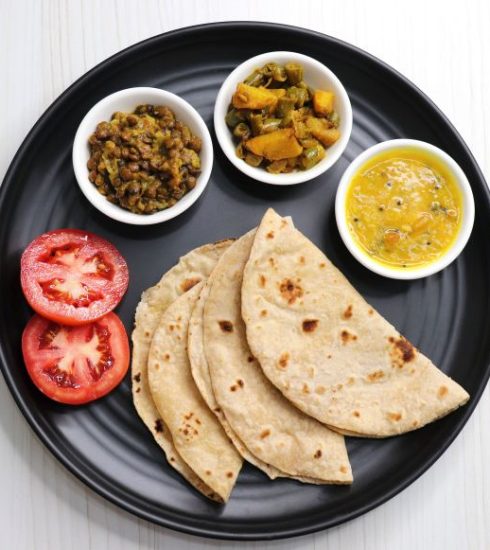
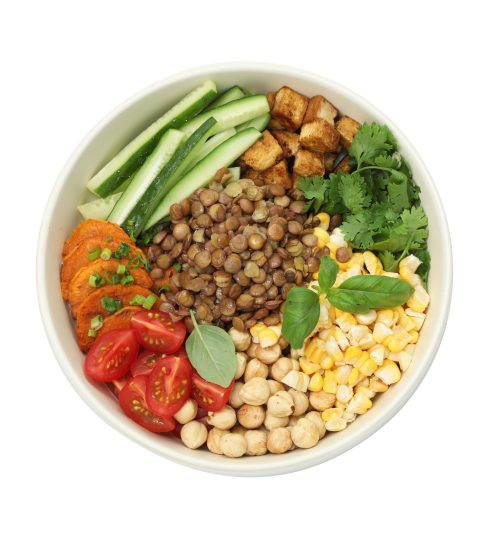
A balanced diet includes a variety of foods that provide all essential nutrients required for the body to function properly.
These nutrients include:
-
Protein
-
Carbohydrates
-
Healthy fats
-
Vitamins
-
Minerals
-
Fiber
Each nutrient plays a unique role in maintaining health and supporting fitness performance.
Why Nutrition Is Important for Fitness
Proper nutrition supports several aspects of fitness.
Improves Energy Levels
Healthy foods provide the energy required for workouts and daily activities.
Supports Muscle Growth
Protein-rich foods help repair and build muscle tissues.
Helps With Weight Loss
A balanced diet controls calorie intake and improves metabolism.
For example, combining a balanced diet with a morning workout routine for weight loss can accelerate fat burning.
Key Components of a Balanced Diet
To maintain a healthy lifestyle, your diet should include the following nutrients.
1. Protein
Protein is essential for muscle repair and growth.
Good protein sources include:
-
Eggs
-
Chicken
-
Fish
-
Lentils
-
Greek yogurt
Protein is particularly important after workouts.
Our article on high protein foods for muscle gain explains the best protein-rich foods for muscle development.
2. Carbohydrates
Carbohydrates are the body’s primary source of energy.
Healthy carbohydrate sources include:
-
Brown rice
-
Oats
-
Whole wheat bread
-
Quinoa
Carbohydrates provide energy for intense workouts such as fat burning workouts at home.
3. Healthy Fats
Healthy fats support hormone production and brain health.
Examples include:
-
Avocados
-
Nuts
-
Olive oil
-
Seeds
Healthy fats also help improve satiety and reduce hunger.
4. Vitamins and Minerals
Vitamins and minerals support many body functions including immunity, metabolism, and muscle recovery.
Sources include:
-
Fruits
-
Vegetables
-
Nuts
-
Whole grains
5. Fiber
Fiber improves digestion and helps control appetite.
Foods rich in fiber include:
-
Vegetables
-
Fruits
-
Whole grains
-
Legumes
Sample Balanced Diet Plan
Here is a simple daily balanced diet example.
Breakfast
Oatmeal with fruits and nuts
Lunch
Grilled chicken with brown rice and vegetables
Snack
Greek yogurt with almonds
Dinner
Vegetable stir fry with quinoa
This type of meal plan supports both weight loss and muscle gain.
Nutrition Tips for Weight Loss
If your goal is weight loss, consider the following tips.
Eat More Whole Foods
Whole foods contain fewer calories and more nutrients.
Reduce Sugar Intake
Sugary drinks and desserts increase calorie intake.
Drink Healthy Beverages
Healthy drinks such as green tea and lemon water may support metabolism.
Our article on best drinks for weight loss explains beverages that support fat burning.
Nutrition Tips for Muscle Gain
If your goal is muscle building, focus on:
-
Increasing protein intake
-
Eating enough calories
-
Consuming balanced meals
Strength training combined with proper nutrition helps build muscle effectively.
Nutrition and Exercise
Diet and exercise should always work together.
For example:
A balanced diet combined with 10 minute HIIT workout at home can help burn calories quickly.
Similarly, following a healthy diet while performing a full body workout routine for beginners improves strength and endurance.
Common Nutrition Mistakes
Skipping Meals
Skipping meals slows metabolism.
Eating Too Many Processed Foods
Processed foods contain empty calories.
Not Drinking Enough Water
Hydration is essential for digestion and metabolism.
Following Extreme Diets
Extreme diets can lead to nutrient deficiencies.
Conclusion
A balanced diet is essential for maintaining good health and achieving fitness goals.
By consuming the right combination of proteins, carbohydrates, healthy fats, vitamins, and minerals, you can improve energy levels, support muscle growth, and maintain a healthy weight.
When combined with regular exercise and healthy lifestyle habits, proper nutrition becomes a powerful tool for long-term health and fitness success.