


AI and Smart Fitness Apps: The Future of Home Workouts
-
- March 12, 2026

Introduction
Over the last few years, technology has dramatically transformed the fitness industry. Traditional gym workouts are no longer the only way people stay fit. With the rise of AI fitness apps and smart workout technology, home workouts have become more effective, personalized, and accessible.
Artificial intelligence is now capable of analyzing workout data, tracking physical activity, and providing personalized recommendations. Smart fitness apps can guide users through exercises, monitor progress, and even correct form using advanced motion tracking.
As people increasingly prefer flexible and convenient fitness solutions, AI-powered fitness apps are becoming the future of home workouts. These technologies allow individuals to achieve their health and fitness goals without needing a personal trainer or expensive gym membership.
This article explores how AI fitness apps are revolutionizing home workouts and why they are shaping the future of the fitness industry.
What Are AI Fitness Apps?
AI fitness apps are digital platforms that use artificial intelligence to create personalized workout plans, analyze performance data, and provide fitness recommendations based on individual needs.
Unlike traditional workout apps, AI-powered platforms adapt and improve over time by learning from user behavior and workout patterns.
Key Features of AI Fitness Apps
AI fitness applications typically offer features such as:
• Personalized workout programs
• Real-time exercise guidance
• Progress tracking and analytics
• Smart health recommendations
• Virtual personal training
These apps combine data from user inputs, wearable devices, and activity tracking to deliver tailored fitness experiences.
Why AI Fitness Apps Are Growing Rapidly
Several factors have contributed to the rapid growth of AI fitness technology.
1. Convenience
People prefer workouts that fit their schedule. AI apps allow users to exercise anytime and anywhere without needing to visit a gym.
2. Personalized Training
AI algorithms analyze user fitness levels, goals, and progress to generate customized training programs.
3. Cost Effective Fitness
Hiring a personal trainer can be expensive. AI apps provide similar guidance at a much lower cost.
4. Data-Driven Workouts
Users can track important health metrics such as calories burned, workout duration, heart rate, and performance improvements.
How AI Is Transforming Home Workouts
Artificial intelligence is changing how people approach home fitness in several important ways.
1. Smart Workout Recommendations
AI apps analyze fitness goals such as weight loss, muscle gain, or endurance training. Based on this information, the system creates structured workout plans.
For example, beginners may receive low-intensity workouts while advanced users get more challenging programs.
2. Real-Time Exercise Feedback
Some AI fitness apps use computer vision technology to track body movements through smartphone cameras.
This allows the app to:
• Detect incorrect posture
• Suggest corrections
• Prevent workout injuries
Real-time feedback helps users perform exercises correctly and improve workout effectiveness.
3. Integration with Wearable Devices
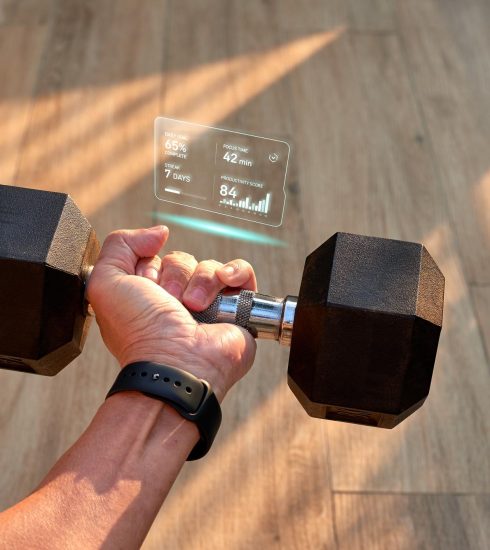
Many AI fitness apps integrate with wearable technology such as smartwatches and fitness trackers.
These devices collect important health data including:
• Heart rate
• Calories burned
• Step count
• Sleep patterns
The AI system uses this data to optimize training intensity and recovery periods.
4. Virtual Personal Trainers
AI-powered apps can simulate the experience of working with a personal trainer. Users receive guided workouts, voice instructions, and motivational feedback during training sessions.
Virtual trainers also adjust workout difficulty based on performance and progress.
Benefits of Smart Fitness Apps for Home Workouts
AI-powered fitness platforms provide numerous advantages for individuals who prefer home workouts.
Personalized Fitness Programs
Every person has unique fitness goals and physical abilities. AI technology ensures workout plans are customized to match these individual needs.
Increased Motivation
Many fitness apps include progress tracking, challenges, and achievement rewards that encourage users to stay consistent.
Accessibility
AI fitness apps make professional-level training accessible to anyone with a smartphone.
Time Efficiency
Short, structured workouts help users achieve better results in less time.
Popular Types of Smart Fitness Apps
The fitness technology market now includes a wide range of smart applications designed for different fitness goals.
Workout Training Apps
These apps guide users through strength training, cardio workouts, and HIIT routines.
Yoga and Meditation Apps
Mind-body fitness apps combine exercise with stress management and relaxation techniques.
Nutrition and Diet Apps
Many AI fitness platforms include meal planning and calorie tracking features.
Recovery and Mobility Apps
Some apps focus on injury prevention, stretching routines, and muscle recovery.
The Role of AI in Personalized Fitness
One of the most significant advantages of AI fitness technology is personalization.
AI systems analyze various factors such as:
• Body weight and body composition
• Fitness history
• Exercise performance
• Sleep quality
• Nutrition habits
Based on this data, the app generates a highly personalized fitness strategy that evolves over time.
This level of personalization increases the likelihood of achieving long-term fitness success.
Challenges of AI Fitness Apps
Despite their advantages, AI fitness apps also face some challenges.
Lack of Human Interaction
Some individuals prefer the motivation and accountability provided by human trainers.
Technology Dependence
Users must rely on smartphones, wearables, and internet connectivity.
Accuracy Limitations
AI algorithms may not always interpret movements perfectly, especially in complex exercises.
However, as technology improves, these limitations are gradually decreasing.
The Future of AI Fitness Technology
The future of fitness technology is expected to include even more advanced innovations.
Advanced Motion Tracking
AI systems will be able to analyze movement patterns with greater precision.
Virtual Reality Workouts
VR technology may allow users to participate in immersive fitness experiences.
Smart Home Gyms
Connected fitness equipment will automatically adjust resistance, speed, and intensity based on AI recommendations.
Health Monitoring Integration
Future fitness apps may integrate medical data to provide more comprehensive health insights.
Conclusion
AI and smart fitness apps are transforming the way people approach home workouts. By combining artificial intelligence, wearable technology, and personalized training programs, these platforms provide a convenient and effective way to maintain fitness without relying on traditional gyms.
As technology continues to evolve, AI-powered fitness solutions will become even more sophisticated, making home workouts smarter, safer, and more engaging.
For individuals seeking flexible, data-driven fitness solutions, AI fitness apps represent the future of home training and personal wellness.