

Top Fitness Trends in 2026: What’s Changing in the Health Industry
-
- March 10, 2026

Introduction
The fitness industry has evolved rapidly in the past decade, driven by technology, changing lifestyles, and growing awareness about health and wellness. As we move into 2026, the way people approach fitness is transforming even further. Modern fitness is no longer limited to gyms and traditional workouts; it now includes AI-driven coaching, wearable health technology, personalized training programs, and virtual fitness communities.
Consumers are now seeking convenience, personalization, and measurable results from their fitness routines. With busy lifestyles and increased digital connectivity, individuals want smarter solutions that integrate fitness seamlessly into their daily lives.
In this article, we explore the top fitness trends in 2026 and how these developments are reshaping the health industry.
1. AI-Powered Fitness Coaching
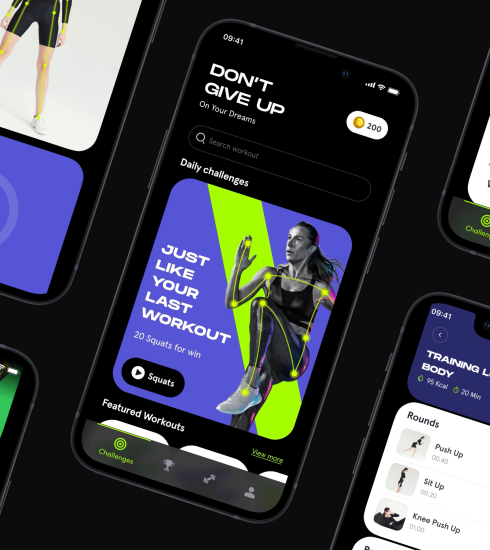
Artificial intelligence has become one of the most impactful innovations in the fitness world. AI-powered fitness apps and platforms are capable of analyzing a person’s workout data, health metrics, and performance to provide personalized training recommendations.
Why AI Fitness Coaching is Growing
AI technology allows users to receive custom workout plans tailored to their fitness level, goals, and progress. Unlike generic fitness programs, AI systems continuously adapt workouts based on performance data.
Key Benefits
-
Personalized workout plans
-
Real-time performance feedback
-
Injury prevention through smart form analysis
-
Progress tracking and optimization
AI fitness coaches can now provide virtual personal training experiences at a fraction of the cost of traditional trainers, making advanced training accessible to more people.
2. Wearable Fitness Technology
Wearable fitness devices are becoming increasingly advanced in 2026. From smartwatches to fitness rings, wearable technology allows individuals to track important health metrics and make informed decisions about their fitness routines.
Popular Wearable Devices
-
Smartwatches
-
Fitness trackers
-
Smart rings
-
Heart rate monitors
Health Data Tracking
Wearable devices now monitor:
-
Heart rate variability
-
Sleep quality
-
Stress levels
-
Blood oxygen levels
-
Daily activity and calories burned
These insights help users optimize their workouts and maintain overall health more effectively.
3. Home Fitness Revolution
The rise of remote work and digital fitness platforms has fueled the growth of home workouts. In 2026, many people prefer exercising at home due to convenience, flexibility, and cost savings.
Popular Home Fitness Equipment
-
Smart fitness mirrors
-
Adjustable dumbbells
-
Resistance bands
-
Compact home gym systems
Benefits of Home Workouts
Home fitness offers several advantages:
-
No travel time to gyms
-
Flexible workout schedules
-
Privacy and comfort
-
Cost-effective training solutions
With the help of AI apps and virtual classes, home workouts now provide professional-level training experiences without leaving the house.
4. Virtual Fitness Communities
Social interaction plays an important role in motivation and consistency. Virtual fitness communities allow people from around the world to connect, share progress, and participate in workouts together.
Examples of Virtual Fitness Experiences
-
Online workout classes
-
Live virtual fitness challenges
-
Social fitness apps
-
Online training groups
These communities help individuals stay accountable and motivated while building a supportive network of fitness enthusiasts.
5. Personalized Nutrition and Fitness Plans
In 2026, personalization has become a key factor in fitness success. Generic diet and workout plans are being replaced by customized health programs based on individual biology and lifestyle.
Factors Used for Personalization
-
Age
-
Fitness level
-
Health conditions
-
Body composition
-
Lifestyle habits
Advanced technologies now combine genetic testing, AI analytics, and wearable data to design highly personalized fitness and nutrition plans.
6. Mental Wellness and Fitness Integration
Modern fitness programs are increasingly integrating mental health and wellness practices. People are recognizing that physical health and mental well-being are deeply connected.
Popular Mind-Body Practices
-
Yoga
-
Meditation
-
Breathwork
-
Mindfulness training
Fitness centers and wellness platforms now offer programs that combine exercise with mental relaxation techniques, promoting a holistic approach to health.
7. Functional Fitness Training
Functional fitness focuses on exercises that improve everyday movement patterns such as lifting, bending, and walking. These workouts help individuals build strength and mobility that translates directly into daily life.
Common Functional Exercises
-
Squats
-
Lunges
-
Deadlifts
-
Kettlebell swings
-
Core stability exercises
Functional training improves balance, flexibility, and coordination while reducing the risk of injury.
8. Short, High-Intensity Workouts
Many people struggle to find time for long workout sessions. High-intensity interval training (HIIT) provides an effective solution by delivering maximum results in a shorter time.
Benefits of HIIT
-
Burns more calories in less time
-
Improves cardiovascular fitness
-
Boosts metabolism
-
Enhances endurance
Short, intense workouts are becoming one of the most popular fitness trends due to their efficiency and effectiveness.
9. Recovery and Injury Prevention
Recovery has become a major focus in modern fitness. Athletes and fitness enthusiasts now recognize the importance of rest and recovery in achieving optimal performance.
Popular Recovery Methods
-
Foam rolling
-
Massage therapy
-
Stretching routines
-
Cryotherapy
-
Infrared saunas
Proper recovery helps prevent injuries and supports long-term fitness progress.
10. Sustainable Fitness Lifestyle
Sustainability is influencing the fitness industry in many ways. Consumers are becoming more conscious about environmentally friendly gyms, sustainable workout gear, and ethical nutrition choices.
Examples of Sustainable Fitness Practices
-
Eco-friendly gym equipment
-
Recycled workout apparel
-
Plant-based nutrition
-
Outdoor fitness activities
Sustainable fitness promotes both personal health and environmental responsibility.
Conclusion
The fitness trends in 2026 highlight how technology, personalization, and holistic wellness are transforming the health industry. From AI-powered coaching and wearable health technology to home workouts and virtual fitness communities, the future of fitness is more connected and accessible than ever before.
As these innovations continue to evolve, individuals will have more opportunities to create customized fitness routines that fit their lifestyles, goals, and preferences. Staying informed about emerging trends can help you adapt your fitness strategy and maintain a healthier, more active life.