

Wearable Fitness Devices That Improve Your Health
-
- March 11, 2026

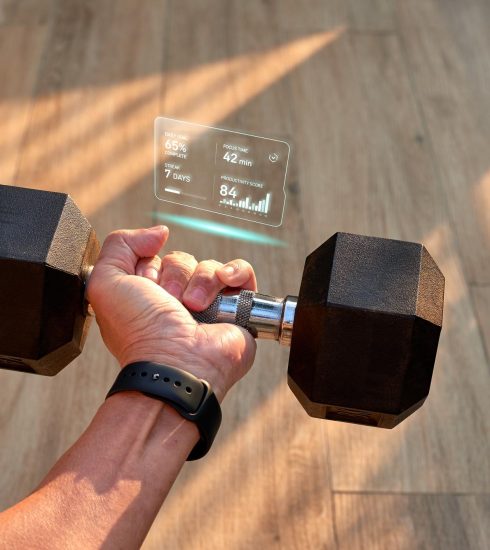
Technology has transformed almost every aspect of our lives, including how we approach health and fitness. One of the most significant innovations in recent years is the rise of wearable fitness devices. These smart gadgets help people monitor their physical activity, track health metrics, and stay motivated on their fitness journey.
Wearable fitness devices such as smartwatches, fitness trackers, and health-monitoring bands provide valuable insights into daily activity levels, heart rate, sleep patterns, and even stress levels. By using this data, individuals can make better lifestyle decisions and improve their overall well-being.
In this article, we will explore how wearable fitness devices improve your health and why they have become an essential part of modern fitness routines.
What Are Wearable Fitness Devices?
Wearable fitness devices are electronic gadgets designed to be worn on the body to monitor health and physical activity. These devices collect data about movement, heart rate, sleep quality, and other health metrics.
Some of the most common wearable fitness devices include:
-
Smartwatches
-
Fitness bands
-
Heart rate monitors
-
Smart rings
-
GPS fitness trackers
These devices connect to smartphones through apps that analyze the collected data and provide insights into your health and fitness progress.
How Wearable Fitness Devices Improve Your Health
Wearable fitness devices provide several benefits that help individuals maintain a healthier lifestyle.
Activity Tracking
One of the most basic but powerful features of wearable devices is activity tracking. These devices measure steps, distance traveled, and calories burned throughout the day.
Many people underestimate how inactive they are during the day. Fitness trackers help increase awareness and encourage people to move more.
For example, if someone sees that they have only walked 2000 steps, they may decide to take a walk to reach the recommended 8000–10000 steps per day.
Regular physical activity plays an important role in weight loss and overall fitness.
If you’re starting your fitness journey, you may also enjoy our guide on
Why Home Workouts Are Becoming More Popular.
Heart Rate Monitoring
Most modern wearable fitness devices include heart rate monitoring technology. This feature tracks heart rate in real time and helps users understand how their bodies respond to exercise.
Monitoring heart rate during workouts helps individuals train more effectively.
For example:
-
A lower heart rate zone helps burn fat
-
A moderate zone improves endurance
-
A higher zone improves cardiovascular fitness
This information allows users to optimize their workouts and avoid overtraining.
Sleep Tracking
Sleep plays a critical role in physical and mental health, but many people underestimate its importance.
Wearable fitness devices track sleep patterns by monitoring movement and heart rate during the night. These devices provide insights into:
-
Total sleep time
-
Sleep quality
-
Deep sleep cycles
-
Sleep interruptions
Better sleep leads to improved recovery, better energy levels, and enhanced workout performance.
Motivation and Goal Setting
Another major advantage of wearable fitness devices is motivation. Many devices allow users to set daily goals such as step targets, calorie burn goals, or workout duration.
Notifications and reminders encourage users to stay active throughout the day.
Gamification features like badges, progress charts, and streaks make fitness more engaging and help people stay consistent.
Consistency is one of the most important factors for achieving fitness goals like muscle gain or fat loss.
You can also check our article on
Best Fat Burning Workouts at Home (No Equipment Needed).
Stress Monitoring
Some advanced wearable devices now include stress tracking features. These devices measure heart rate variability to estimate stress levels.
When stress levels increase, the device may suggest breathing exercises or relaxation techniques.
Managing stress is important for both physical health and mental well-being.
Personalized Health Insights
Wearable fitness devices collect a large amount of data over time. This data allows apps to generate personalized health insights and recommendations.
For example:
The device might suggest increasing activity levels, improving sleep habits, or adjusting workout intensity.
These personalized insights help users make smarter health decisions.
Improved Workout Performance
Wearable fitness devices also improve workout performance by providing real-time feedback.
During workouts, users can monitor:
-
Heart rate
-
Workout duration
-
Calories burned
-
Distance covered
This information helps individuals adjust workout intensity and maintain proper training zones.
Popular Types of Wearable Fitness Devices
There are several types of wearable devices designed for different fitness needs.
Fitness Bands
Fitness bands are lightweight devices that track steps, calories, and sleep. They are ideal for beginners who want simple health monitoring.
Smartwatches
Smartwatches offer advanced features such as GPS tracking, heart rate monitoring, and workout analysis.
Smart Rings
Smart rings are compact wearable devices that track sleep, heart rate, and activity levels.
Chest Heart Rate Monitors
These devices provide highly accurate heart rate tracking, especially during intense workouts.
Wearable Technology and Preventive Healthcare
One of the most promising aspects of wearable technology is its role in preventive healthcare.
Continuous health monitoring helps detect potential health issues early.
For example:
Some wearable devices can detect irregular heart rhythms and notify users to seek medical advice.
This ability to monitor health in real time has the potential to transform healthcare in the future.
Combining Wearable Devices with a Healthy Lifestyle
While wearable fitness devices are powerful tools, they work best when combined with healthy lifestyle habits.
To maximize their benefits:
-
Maintain a balanced diet
-
Stay physically active
-
Get adequate sleep
-
Manage stress effectively
You can learn more about healthy eating in our guide on
Balanced Diet Plan for Fitness and Weight Loss.
The Future of Wearable Fitness Technology
The wearable fitness technology industry is evolving rapidly.
Future devices are expected to include features such as:
-
Blood glucose monitoring
-
Hydration tracking
-
Advanced health diagnostics
-
AI-powered fitness coaching
These innovations will make wearable devices even more useful for improving overall health.
Conclusion
Wearable fitness devices have revolutionized the way people track and manage their health. From monitoring daily activity and heart rate to improving sleep and reducing stress, these devices provide valuable insights that help individuals live healthier lives.
As technology continues to evolve, wearable fitness devices will become even more advanced and accessible. By combining wearable technology with healthy lifestyle habits, anyone can take control of their health and achieve their fitness goals.